
Foam-Insulated House HVAC
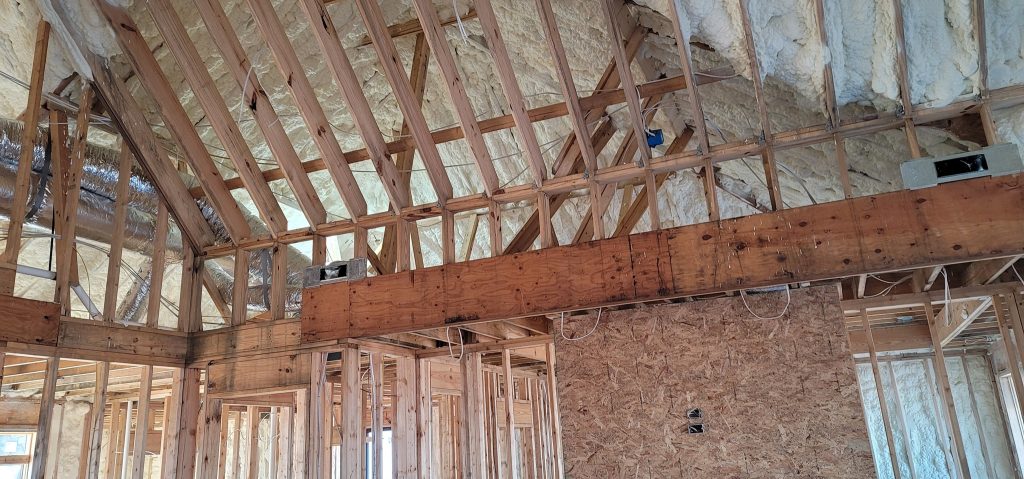
Most HVAC contractors see a spray-foam house and back away. They know it is different. They also know it takes more thought than swapping a box and calling it a day.
We do foam-house HVAC the right way. That means understanding what a tight house changes before we recommend equipment, ductwork, or a price.
A spray-foam home holds conditioned air far better than a typical house. That is the point. But a tight envelope changes the heating and cooling load, the fresh-air plan, and the kind of combustion equipment you can safely use. You cannot size the system by square footage, guess from the old unit, or install the same furnace you would use in a leaky older house.
Bigger is not better in a tight house
An oversized system is especially bad in a foam-insulated home. It reaches the thermostat setting too fast, then shuts off. The house may be cool but still feel damp. Rooms can get uneven. The equipment starts and stops more than it should. You paid for capacity you do not need, and you get less comfort from it.
We start with a Manual J load calculation. It accounts for insulation levels, windows, orientation, ceiling height, air leakage, and the details that make your house different. Then we match the equipment and duct design to the actual load. It is slower than guessing. It is also how you avoid a system that is too large from day one.
Sealed combustion matters
If your home uses a gas furnace or other fuel-burning appliance, sealed-combustion equipment matters. It brings combustion air from outdoors and sends exhaust outdoors through a sealed path. It does not pull that air from inside your newly tight home.
That is not a fancy upgrade. In a foam house, it is part of planning the system safely. We look at the whole house, including equipment location, venting, make-up air, and any other combustion appliances already there.
The rest of the system has to match
The equipment is only one part of the answer. Tight homes still need good airflow. They may need a deliberate fresh-air strategy. They often need careful duct sizing, return-air placement, and humidity control. A variable-capacity heat pump, properly designed ductwork, zoning, or a whole-home dehumidifier may make sense. Sometimes they do not. We will explain why either way.
We work on new foam-insulated homes, metal homes, cabins, barndominiums, additions, and retrofit projects across Tennessee, Georgia, and Alabama. If another contractor told you your foam house is too complicated, call us. Complicated is not the same thing as impossible.
Call Kilgore Heating and Air at (423) 637-1846. You can talk through your plans with a local crew that knows tight homes need a different approach.